


Can Brain Mapping Identify the Root Cause of Mood Disorders?
Updated: May 21
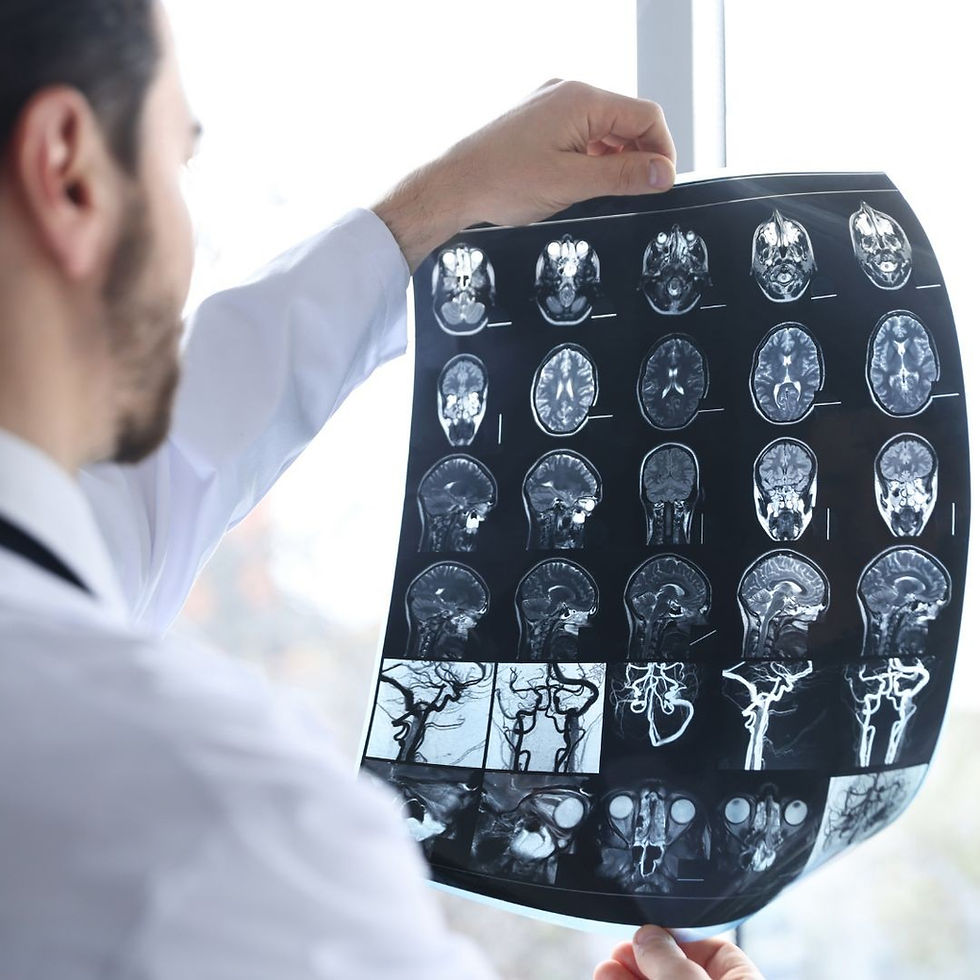
Yes, brain mapping for mood disorders can help uncover patterns and possible underlying causes by revealing irregular brainwave patterns and disrupted communication between brain regions that standard assessments simply cannot detect. At Neuromed Clinic in Edmonton, this is exactly where treatment begins: with a precise, data-driven picture of your unique brain activity, which then guides a personalized plan using MeRT or TMS therapy for depression.
Many individuals live with depression, anxiety, and other mood disorders without ever understanding why their brains feel the way it does. Medication helps some, but leaves many searching for answers. Brain mapping, specifically through a qEEG (quantitative electroencephalography), is changing that conversation entirely.
What Is Brain Mapping, and How Does It Work?
Brain mapping is the process of recording and analyzing electrical activity across different regions of the brain. At Neuromed Clinic, this is done using a qEEG (quantitative electroencephalography), a technique that involves the numerical analysis of EEG data. It applies mathematical methods to EEG signals to generate quantitative metrics related to behavioral and cognitive brain functions. This non-invasive method provides a detailed assessment of brain activity, helping to manage neurological conditions and improve brain health.
The qEEG produces a detailed picture of:
How fast your brain waves are firing (frequency patterns)
Which brain regions are over- or under-active
How well do different areas of the brain communicate with each other
This data forms the foundation of a truly personalized brain treatment plan, one that is built around your brain, not a one-size-fits-all approach.
Can Mood Disorders Show Up on a Brain Map?
Yes. Research has shown that individuals experiencing depression, anxiety, PTSD, and other mood disorders frequently display identifiable patterns of disrupted brainwave activity. According to the Government of Canada, mood and anxiety disorders affect millions of people and can significantly impact daily life and wellbeing. These may include:
Reduced activity in regions responsible for mood regulation and motivation
Imbalances between the brain's left and right hemispheres
Poor synchrony between different brain networks
Abnormal dominant frequency, meaning the brain is oscillating at a speed inconsistent with healthy emotional and cognitive function
These patterns are not visible to the naked eye, and they are not detected by standard psychiatric evaluations or medication reviews. Brain mapping makes the invisible visible.
How Does Stress and Mental Fatigue Connect to Mood Imbalance?
Absolutely. Chronic stress and mood imbalance often go hand in hand because prolonged stress alters the brain's neurochemical environment and disrupts its electrical communication patterns. Conditions like depression and anxiety can also affect how a person thinks, feels, and handles daily activities, which is why understanding these patterns is so important.
Similarly, mental fatigue and mood changes are deeply connected. When the brain becomes dysregulated due to overload, injury, or illness, the downstream effect is often persistent low mood, anxiety, irritability, or emotional numbness.
Brain mapping captures this dysregulation directly. It doesn't ask how you feel; it shows us why the brain may be producing those feelings in the first place.
What Happens After Brain Mapping at Neuromed Clinic?
At Neuromed Clinic, the EEG assessment is the starting point, not the finish line. Once your unique brain activity data is collected and analyzed, our psychiatric-led clinical team develops a targeted, personalized treatment protocol using one of two evidence-informed approaches:
1. MeRT Therapy (Magnetic e-Resonance Therapy)
MeRT therapy is a highly individualized form of non-invasive brain stimulation that combines TMS technology with EEG analysis.
The EEG reveals your brain's specific dominant frequency and areas of dysfunction
A customized MeRT protocol is then created, unique to your brainwave patterns
Gentle magnetic pulses are delivered to precisely targeted brain regions
A follow-up EEG is taken after approximately two weeks to assess progress and refine the protocol
Treatment runs Monday to Friday, typically 30–35 minutes per session, over a recommended 6–8 weeks
MeRT is used at Neuromed Clinic for conditions including depression, anxiety, PTSD, brain injury, autism, and dementia, all guided by your individual brain map.
2. TMS Therapy
TMS (Transcranial Magnetic Stimulation) is a Health Canada, FDA, and NICE-approved treatment that uses focused magnetic pulses to stimulate underactive brain cells, without medication, without surgery, and without any electrical currents.
Targets specific brain circuits involved in mood regulation
Non-invasive and conducted in-clinic with no downtime
Approximately 68% of patients experience meaningful improvement in depression symptoms
Also approved for anxiety, OCD, and migraine
For patients who have not found relief through medication alone, TMS therapy offers a compelling, clinically validated alternative, one grounded in brain science, not trial-and-error prescribing.
Who Is Brain Mapping and These Treatments For?
You may benefit from these treatments if you:
Have been diagnosed with depression, anxiety, PTSD, or a related mood disorder
Have not responded adequately to antidepressant medication
Experience persistent mental fatigue and mood changes that interfere with daily life
Are looking for a non-invasive, drug-free option
Want to understand the neurological roots of your emotional health challenges
Why Does Personalized Brain Treatment Matter?

Standard TMS applies the same stimulation parameters to most patients. While effective, it does not account for the unique frequency and communication patterns in each individual's brain. MeRT therapy takes this further by using your EEG data to match the stimulation frequency precisely to your dominant brainwave, making it a far more targeted and individualized intervention.
Think of it this way: brain mapping turns a general approach into a precision one. The EEG is the map. The treatment is the route, built specifically for your neurological terrain.
Frequently Asked Questions
Is brain mapping painful?
No, brain mapping is completely non-invasive and painless. Sensors are placed on your scalp to record brain activity, but there is no discomfort involved.
Is the EEG brain mapping test painful or invasive?
No. The EEG is entirely non-invasive. Sensors are placed gently on the scalp, and the test takes approximately 10 minutes. There is no discomfort involved.
How soon will I see results from MeRT or TMS therapy?
Many patients begin noticing changes within the first two weeks of treatment. Progress is closely monitored through follow-up EEGs and clinical evaluations.
Do you offer a consultation before committing to treatment?
Yes. We encourage patients to complete our TMS Pre-Qualification Form online or call us to book a phone or video consultation to determine whether MeRT or TMS therapy is the right fit.
Conclusion
Brain mapping for mood disorders provides crucial insights into brain activity, helping clinicians identify patterns associated with emotional regulation and mood imbalances. Although it doesn't diagnose the exact root cause of mood disorders, it is a powerful tool for personalizing treatment. If you’re struggling with mood disorders, brain mapping could be the first step toward a personalized and more effective treatment strategy.
Take the First Step Toward Understanding Your Brain
You don't have to keep guessing why you feel the way you do. Brain mapping for mood disorders offers real, measurable, neurological insight, and at Neuromed Clinic Edmonton, that insight drives every personalized treatment decision we make.
Whether you are exploring MeRT therapy, seeking TMS therapy for depression, or simply want to understand what is happening in your brain, our psychiatrist-led team in Edmonton is here to guide you.


Comments