


Can Brain-Based Treatments Help Postpartum Hormonal Mood Disorders?

Yes, brain-based treatments may help support postpartum hormonal mood disorders by improving how disrupted neural networks communicate. While not a replacement for medical care, these approaches gently support mood, sleep, and cognitive clarity by targeting the brain's regulation systems.
Becoming a new parent brings tremendous change, physically, emotionally, and hormonally. Many people expect postpartum life to feel joyful, but hormonal shifts, sleep loss, and stress can make the transition overwhelming. If your mood feels different from what you expected, you're not alone. Postpartum hormonal mood disorders are common, treatable, and nothing to be ashamed of. This warm, patient-friendly guide explains how hormones affect the brain after childbirth and why brain-based treatments may offer an additional layer of support for recovery in Canada.
Key Takeaways
Hormonal shifts can significantly affect mood, clarity, and emotional stability after childbirth.
Postpartum hormonal mood disorders are common and treatable.
Brain-based treatments such as MeRT may support mood and cognitive function by enhancing neural communication.
Early help leads to better outcomes, and compassionate support is available in Canada.
What Are Postpartum Hormonal Mood Disorders?
Postpartum hormonal mood disorders arise when rapid hormone changes after childbirth significantly affect emotions, thinking, and stress tolerance.
Key points:
Estrogen and progesterone drop dramatically within 24–48 hours after delivery, influencing mood-regulating pathways.
Mood symptoms can range from tearfulness and irritability to sadness, anxiety, or emotional "flatness."
These conditions differ from typical adjustment challenges because symptoms persist or escalate rather than improving with time.
Stress, exhaustion, and the demands of caregiving may intensify hormonal sensitivity.
How Hormones Affect the Brain After Childbirth
Hormones are chemical messengers that influence how brain circuits regulate emotions, motivation, sleep, and stress.
Key points:
The limbic system becomes more sensitive postpartum, which can heighten emotional responses.
Fluctuations in estrogen and progesterone impact serotonin, dopamine, and GABA, neurotransmitters essential for mood stability.
Stress hormones (like cortisol) may become dysregulated with sleep deprivation.
Cognitive symptoms such as slowed thinking or difficulty focusing sometimes lead patients to seek brain fog treatment.
Why Some Individuals Develop Postpartum Mood Disorders
Not everyone experiences postpartum hormonal mood disorders; individual risk depends on how hormones interact with unique brain circuitry, stress levels, and personal history.
Key points:
Severe sleep disruption is one of the strongest predictors of mood difficulty and emotional vulnerability.
A history of anxiety, depression, or treatment-resistant depression increases sensitivity to hormonal change.
Thyroid or metabolic shifts after childbirth can influence mood.
Lack of support, stressful life events, or traumatic birth experiences may amplify symptoms.
Genetics and neurobiological factors affect how resilient brain circuits are during postpartum transitions.
Symptoms of Postpartum Hormonal Mood Disorders
Symptoms can be emotional, physical, or cognitive and may interfere with daily functioning or bonding.
Key points:
Persistent sadness, mood swings, or tearfulness
Anxiety, worry, intrusive thoughts, or irritability
Feeling emotionally "flat" or disconnected
Difficulty concentrating, slowed thinking, or memory issues
Poor sleep (even when the baby is sleeping)
Loss of motivation or a sense of being overwhelmed
Standard Approaches to Postpartum Depression Treatment
First-line care focuses on holistic support, counseling, and sometimes medication, depending on patient needs and medical guidance.
Key points:
Psychotherapies such as CBT, ACT, or IPT help with emotional regulation and coping.
Peer support groups and partner involvement can reduce isolation.
Medication may be considered if symptoms are moderate to severe, but decisions are individualized.
Hormone testing or thyroid evaluation may be recommended.
Early, compassionate care improves outcomes in all forms of postpartum depression treatment.
What Are Brain-Based Treatments?
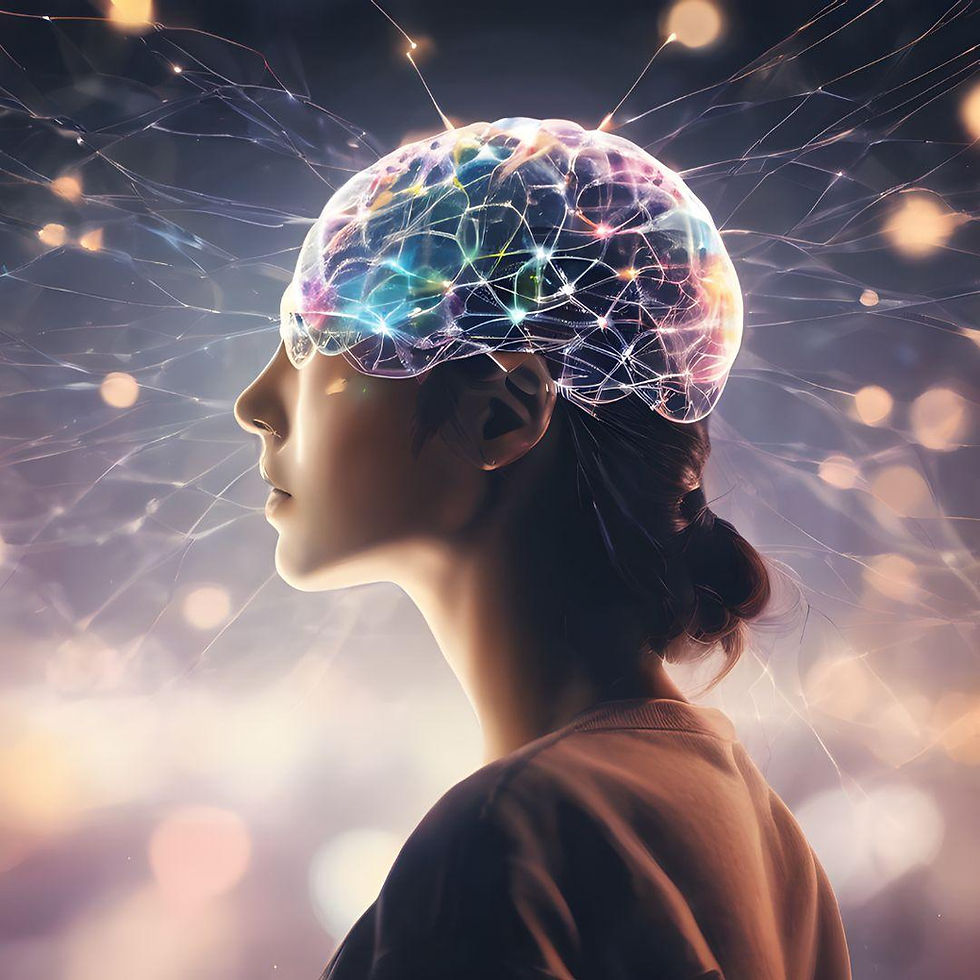
Brain-based treatments focus on improving how neural networks communicate, rather than targeting hormones directly.
Key points:
Many postpartum symptoms involve dysregulated brain circuits influenced by hormonal changes.
Neuromodulation methods gently guide brain activity toward healthier patterns.
Neurofeedback helps individuals improve physiological regulation and stress responses.
TMS and MeRT stimulate specific brain regions involved in mood and cognitive function.
These approaches are non-medication options that can complement traditional care.
How MeRT May Support Postpartum Hormonal Mood Disorders
MeRT (Magnetic e-Resonance Therapy) individualizes care by mapping each person's brain activity and tailoring stimulation to optimize communication between key mood-regulating circuits.
Key points:
EEG brain mapping identifies patterns linked with low mood, anxiety, or cognitive dysregulation.
MeRT uses highly customized magnetic stimulation parameters to gently modulate underactive or overactive regions.
Potential benefits may include improved mood regulation, sleep quality, clarity, and emotional resilience.
Because hormonal shifts affect brain connectivity, MeRT offers a supportive way to address the neurocircuitry side of postpartum symptoms.
Neuromed Clinic is recognized as a leading option for individuals seeking the best MeRT treatment clinic experience in Canada.
Is MeRT a Fit for Everyone? Safety & Considerations

MeRT is non-invasive and generally well-tolerated; however, each patient requires an individualized assessment to ensure safety during the postpartum period.
Key points:
A clinical evaluation determines whether MeRT is appropriate based on symptoms and health history.
Some conditions require timing adjustments or medical clearance.
MeRT should be coordinated alongside primary care, mental health providers, or perinatal specialists.
Treatment plans are personalized; there is no one-size-fits-all approach.
Additional Non-Medication Strategies That Support Recovery
Supportive daily practices can complement clinical treatments and help stabilize mood.
Key points:
Creating predictable sleep blocks with partner or family support
Mindfulness, grounding, or breathwork practices for emotional regulation
Gentle exercise, such as walking, stretching, or postpartum-safe activity
Nourishing meals to stabilize energy levels
When to Seek Help — Canadian Resources
Reaching out early can bring relief and prevent symptoms from worsening.
Key points:
Persistent sadness, anxiety, or emotional numbness lasting more than two weeks
Thoughts of harming oneself or the inability to care for oneself or a baby
Feeling detached from the baby or overwhelmed by daily tasks
Why Neuromed Clinic Takes a Brain-Based Approach
Neuromed's approach is grounded in understanding how the brain adapts during hormonal transitions and how individualized strategies can support recovery.
Key points:
Personalized assessment based on each patient's neurophysiology
Evidence-informed neuromodulation and brain mapping
Supportive environment designed for comfort and clarity during postpartum care
Collaborative approach with existing medical and mental health providers
FAQs
Are hormonal mood disorders the same as postpartum depression?
They overlap but are not identical. Postpartum depression includes emotional, physical, and cognitive symptoms that persist beyond typical hormonal adjustment. Hormonal mood disorders emphasize the hormonal triggers but may lead to PPD if untreated.
Can MeRT be used during breastfeeding?
MeRT is non-invasive and does not involve medications. However, suitability during breastfeeding is determined on an individual basis through clinical assessment.
How do I know if my symptoms are hormonal or psychological?
Hormonal and psychological factors interact closely. A healthcare provider can help distinguish patterns and recommend supportive options based on your history, timing of symptoms, and other health factors.
Is neuromodulation safe for postpartum individuals?
MeRT and similar neuromodulation approaches are generally well-tolerated, but safety is determined after a personalized evaluation to ensure the treatment aligns with postpartum needs and overall health.
Conclusion
Postpartum hormonal mood disorders are both common and treatable, especially when care supports the brain, body, and emotional landscape together. Brain-based treatments like MeRT may offer an added layer of relief by improving how mood-regulating networks function, while traditional postpartum depression treatment remains essential. With compassionate support and individualized care, postpartum recovery becomes much more manageable, and no one has to navigate this season alone.
Get Personalized Support for Postpartum Mood & Brain Health
If you're exploring gentle, non-medication options for postpartum mood changes, our team at Neuromed Clinic can guide you through assessment, brain-based treatment options like MeRT, and integrated care that fits your needs. Book a confidential consultation today and start feeling more like yourself again.


Comments